

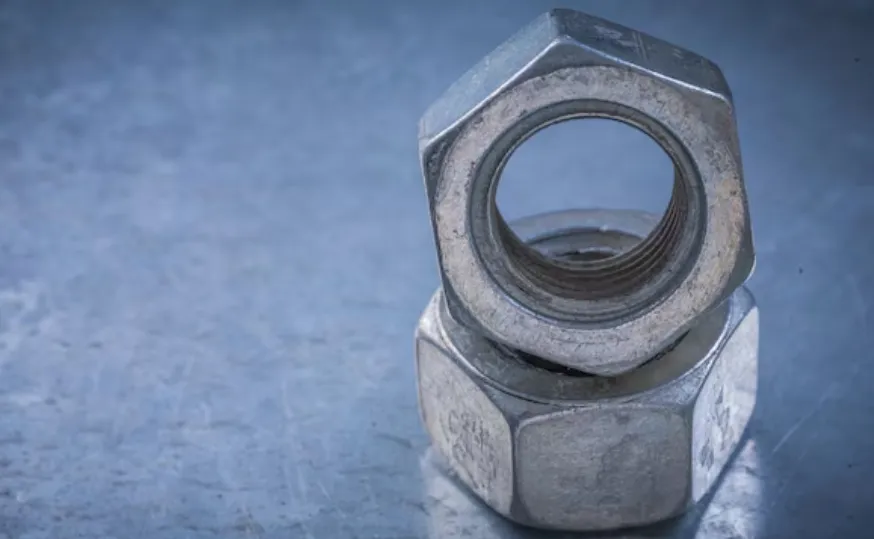
In mechanical and construction work, fasteners play a very important role in holding parts together safely. One of the most reliable fastening components used in many industries is the locknut. A locknut is specially designed to prevent loosening when machines or structures are exposed to vibration, pressure, or movement. Without proper fastening, bolts and nuts can become loose over time, which may lead to serious safety risks or equipment failure. That is why locknuts are widely used in automotive, engineering, and construction applications.
What Is a Locknut?
A locknut is a type of nut that is designed to resist loosening under vibration and torque. Unlike a regular nut, a locknut has a built-in feature that helps it stay tight even when external forces are acting on it. It is commonly used with bolts or threaded rods to secure mechanical parts firmly in place.
The main purpose of a locknut is to provide extra resistance against rotation. This means that once it is tightened, it does not easily come undone. This makes it a reliable choice in situations where safety and stability are important.
How Locknuts Work
The working principle of a locknut is based on friction and mechanical resistance. When a locknut is tightened onto a bolt, it creates additional pressure that increases friction between the threads. This friction makes it harder for the nut to rotate or loosen on its own.
Some locknuts also have special internal features such as nylon inserts or deformed threads. These features grip the bolt tightly and prevent movement caused by vibration. Even when machinery is running or exposed to continuous shaking, the locknut keeps the connection secure.
Types of Locknuts
There are different types of locknuts available, each designed for specific uses and conditions. Some are made with a nylon ring inside that grips the bolt threads, while others are fully metal and rely on their shape for locking strength. There are also all-metal locknuts that can withstand high temperatures, making them suitable for heavy industrial applications.
Each type of locknut serves the same basic purpose, but the choice depends on the environment, load, and level of vibration involved in the application.
Importance and Benefits of Locknuts
Locknuts are essential because they help maintain safety and reliability in mechanical systems. One of their biggest benefits is that they reduce the risk of loosening caused by vibration. This is especially important in vehicles, machinery, and structural assemblies where constant movement occurs.
Another advantage of using a locknut is that it reduces maintenance needs. Since the nut stays tightly secured, there is less need for frequent tightening or inspection. This saves time and effort in long-term use.
Locknuts also improve the overall durability of assemblies. By keeping parts firmly in place, they prevent damage caused by loose components, which can lead to costly repairs or accidents.
Applications of Locknuts
Locknuts are used in a wide range of industries and applications. In the automotive sector, they are used in engines, wheels, and suspension systems where vibration is constant. In construction, they help secure steel structures, scaffolding, and heavy equipment. They are also commonly used in electrical installations, machinery assembly, and aerospace engineering.
Because of their strong locking ability, locknuts are trusted in any situation where safety and stability cannot be compromised.
Conclusion
A locknut is a simple but highly important component in secure fastening systems. Its ability to resist loosening under vibration makes it essential in many industrial and mechanical applications. By using a locknut, engineers and technicians can ensure stronger, safer, and more reliable connections. Whether in vehicles, machines, or structures, locknuts play a key role in maintaining stability and preventing failures over time.