

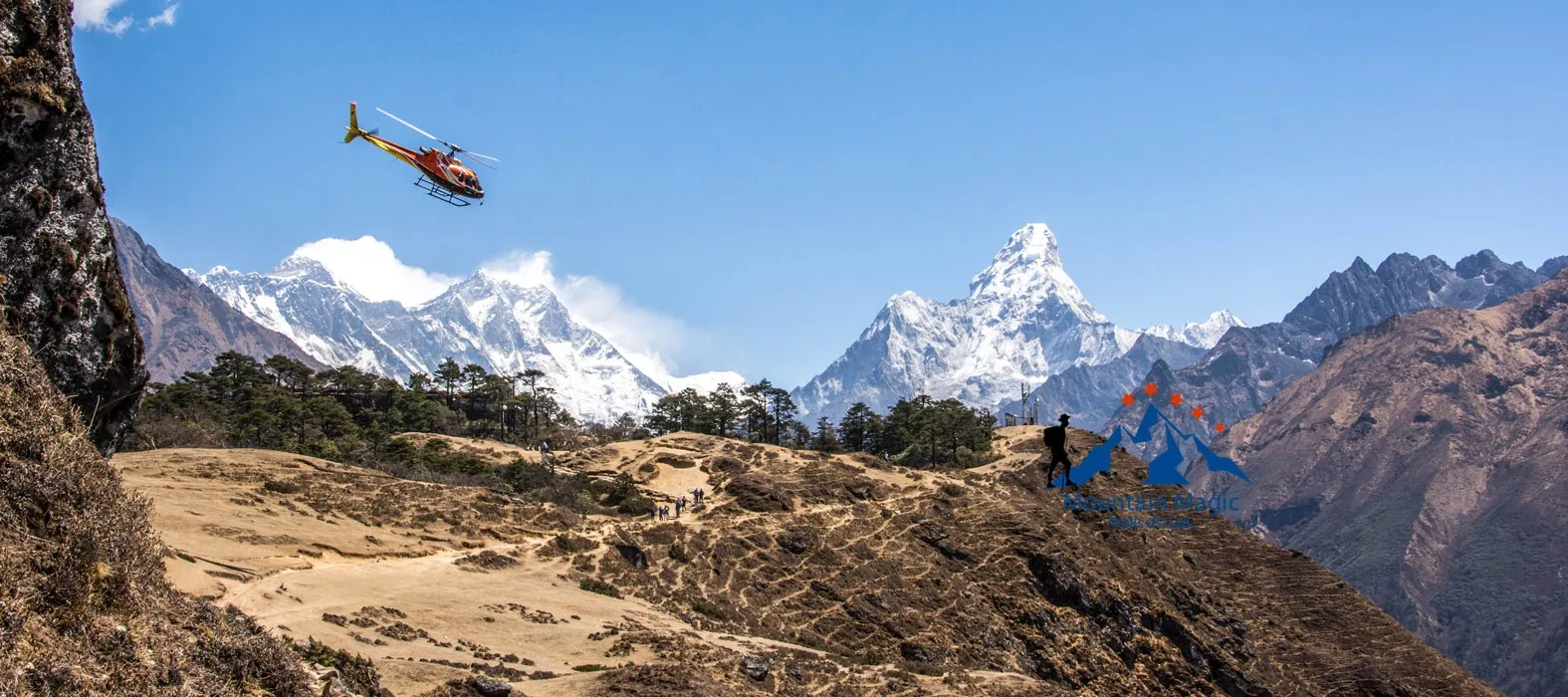
A mountain trail is shaped by more than the people and animals that walk across it. Rainwater, melting snow, and water flowing down steep slopes can change the ground beneath a trekking path. Small streams may cross the route, stones can shift, and sections of soil can become soft or uneven.
During the Everest Base Camp Trek with Helicopter Return, trekkers pass through valleys, forests, exposed slopes, and glacial terrain. Each part of the route handles water differently. Understanding how runoff affects mountain paths helps visitors recognize changing trail conditions and follow safer walking practices.
How Water Moves Across the Khumbu Landscape
The Khumbu region has steep slopes and large differences in elevation. Water naturally moves downhill, collecting in small channels before reaching larger streams and rivers.
Rainfall, melting snow, and glacial meltwater all contribute to this movement. The amount of flowing water depends on local weather, temperature, elevation, and the condition of the surrounding ground.
Natural Water Channels on Mountain Slopes
When water travels down an open slope, it follows the easiest available route. Over time, repeated flow can create small channels in soil and loose rock.
These channels may cross or run alongside trekking paths. If water cannot drain away properly, it can collect on the trail and make the surface unstable.
The Role of Snowmelt
Snow can remain on shaded sections of the mountain even when nearby areas are clear. As temperatures rise, melting snow releases water that flows across the ground.
This can create wet patches below snow-covered slopes. Trekkers should not assume that a dry-looking trail will remain dry throughout the day.
How Trail Drainage Protects Walking Paths
A well-maintained trail needs ways to move water away from the walking surface. Without suitable drainage, flowing water can gradually remove soil and damage the path.
Local trail maintenance may involve clearing drainage channels, moving loose stones, and repairing damaged sections. The methods used depend on the location and available materials.
Side Channels and Drainage Ditches
Some paths have shallow channels along their edges. These allow water to flow away instead of moving directly over the walking surface.
Leaves, stones, and rubbish can block these channels. When that happens, water may overflow onto the trail and create muddy or damaged areas.
Raised and Stone-Paved Sections
In some places, stones are arranged to create a firmer walking surface. Carefully placed stones can help reduce direct contact between flowing water and exposed soil.
However, stone paths are not automatically safe in wet conditions. Smooth or uneven stones can become slippery, especially where water collects.
Where Water Conditions Can Change Along the Trek
The route from Lukla to Gorakshep passes through several different types of terrain. Water-related conditions vary between these locations.
Lukla to Phakding
The trail follows sections of the Dudh Koshi Valley, where streams and river crossings are part of the landscape. Paths may pass near water channels and through areas with vegetation and exposed soil.
After rainfall, some sections can become muddy. Trekkers should watch their footing rather than stepping onto the edges of soft ground.
Namche Bazaar to Tengboche
The route includes forested sections, slopes, and areas where smaller streams cross the trail. Water may flow down from surrounding hillsides, particularly after rain or snowmelt.
Wet roots, stones, and narrow paths require careful movement. Following the route selected by the guide is important when the ground has changed.
Dingboche to Lobuche and Gorakshep
The upper trail becomes more exposed, with rocky surfaces and glacial deposits. Water may travel through shallow channels or collect in low sections of uneven ground.
Near Gorakshep and the Khumbu Glacier, the landscape is strongly influenced by glacial processes. Conditions can change, so trekkers should avoid walking across unstable ground simply to find a shorter route.
How Runoff Can Make a Trail Difficult
Water does not need to form a large stream to create a walking hazard. Even a small amount can change the grip and stability of a mountain path.
Loose Soil and Small Landslides
Water entering loose soil can reduce its stability. On steep slopes, sections of soil and small rocks may move downhill.
Avoid walking beneath visibly unstable slopes when your guide advises against it. Do not stop in places where loose material is falling or where the path is visibly damaged.
Slippery Stones and Mud
Wet stones can have less grip than dry surfaces. Mud can also cover small holes, loose rocks, and uneven ground.
Use controlled steps and avoid sudden turns. Trekking poles may provide additional balance, but they should not replace careful foot placement.
Water Collecting Across the Trail
Low sections can hold water when drainage is blocked or the ground cannot absorb it quickly. A puddle may hide a hole or an uneven surface.
Do not assume that the shallowest-looking crossing is the safest. Follow your guide’s instructions and use established crossing points.
Responsible Walking Around Natural Drainage Areas
Water channels are part of the mountain environment. Blocking them with rubbish or moving stones unnecessarily can affect how water travels across the landscape.
Trekkers should avoid throwing waste into streams or drainage ditches. They should also leave natural channels undisturbed unless a guide or authorized trail worker directs otherwise.
The Everest Base Camp Trek with Helicopter Return passes through communities and protected landscapes that depend on healthy water systems. Keeping rubbish away from waterways helps protect both the environment and local water resources.
What Trekkers Should Do When Trail Conditions Change
Trail conditions can differ from one day to the next. A path that was firm in the morning may become wet after rain or melting snow.
Before crossing a stream or walking over a damaged section, wait for your guide’s direction. Do not attempt an unfamiliar crossing just because other people appear to be using it.
If a section looks unstable, communicate your concern rather than rushing forward. Your guide can assess the available route and decide whether a safer alternative is necessary.
The Everest Base Camp Trek with Helicopter Return includes a trekking team that helps manage the route and daily movement. However, travelers must still pay attention to their surroundings and follow safety instructions.
Final Thoughts
Mountain trail drainage is an important part of the natural environment and the infrastructure that supports trekking in the Khumbu region. Rainwater and snowmelt can change soil, move stones, create slippery surfaces, and affect the condition of established paths.
The Everest Base Camp Trek with Helicopter Return crosses several landscapes where water behaves differently, from river valleys near Phakding to the rocky upper sections near Gorakshep. Walking carefully, respecting natural drainage channels, and following guide instructions can help reduce avoidable risks.
Understanding how water shapes the trail gives trekkers a better appreciation of the work and natural processes that keep these mountain routes changing.
Frequently Asked Questions
1. Why do mountain trails become muddy after rainfall?
Rainwater can collect on the path or mix with loose soil. Poor drainage and steep slopes can make some sections especially muddy.
2. Can snowmelt affect trails even when it is not snowing?
Yes. Snow that remains on shaded slopes can melt during warmer periods and send water across nearby paths.
3. Are wet stone paths dangerous?
Wet stones can become slippery, particularly when they are smooth or uneven. Walk slowly and follow your guide’s instructions.
4. Should trekkers cross streams wherever they find a suitable-looking spot?
No. Use established crossing points and follow your guide’s advice. Water depth, current strength, and the condition of the ground must be considered.
5. How can visitors help protect mountain waterways?
Carry rubbish to appropriate collection points, avoid putting waste into streams, and do not disturb natural drainage channels.