

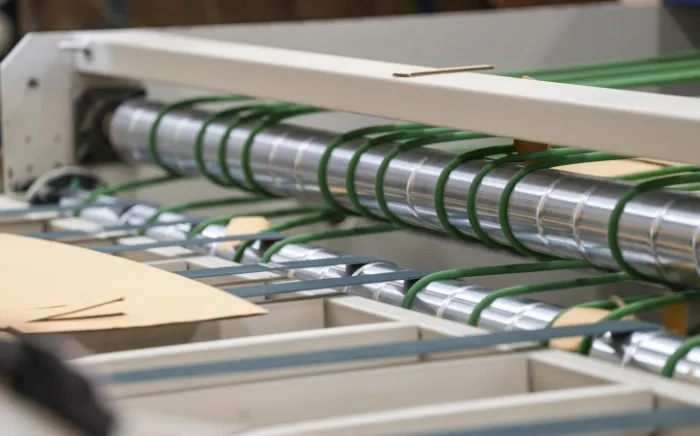
Choosing the right equipment is an important decision for any manufacturing business. Production needs, budget limits, and long-term goals all play a role when selecting machinery. For companies working with metal processing, used coil lines can be a practical solution because they offer reliable performance while reducing investment costs. However, finding the right equipment requires careful research and understanding of your production requirements.
Understand Your Production Requirements Before Buying
Before searching for used coil lines, it is important to clearly define your production goals. Every manufacturing process has different requirements based on material type, coil size, production speed, and output expectations. Understanding these factors helps you identify equipment that can support your operations effectively.
Consider the type of materials you will process and the level of production you need. A coil line that works well for one application may not be suitable for another. By analyzing your workflow, you can avoid purchasing equipment that does not meet your operational needs.
Check the Condition and Quality of Used Equipment
The condition of used machinery is one of the most important factors to consider. High-quality used coil lines should be inspected carefully to ensure they can continue delivering consistent performance. A detailed evaluation of the machine’s components, maintenance history, and previous usage can help you make a better decision.
Look for equipment that has been properly maintained and serviced regularly. Machines with documented repair records usually provide more confidence because you can understand their history and identify any possible future concerns. A well-maintained used coil line can often provide many years of reliable service.
Choose a Trusted Equipment Supplier
Working with a reputable supplier can make the buying process easier and safer. Experienced suppliers usually provide accurate information about machine specifications, operating conditions, and available support. They can help you compare different options and select equipment that fits your production requirements.
A trusted supplier should be transparent about the machine’s condition and provide clear details about its features. This allows you to make an informed decision instead of relying only on appearance or price.
Evaluate Machine Features and Compatibility
When selecting used coil lines, it is essential to compare their features with your current production setup. The equipment should be compatible with your existing systems and capable of handling your manufacturing demands.
Important factors include automation features, processing capacity, coil handling ability, and overall efficiency. Choosing a machine that fits smoothly into your production line can reduce downtime and improve productivity.
Consider Long-Term Value and Maintenance Needs
Price is an important factor, but it should not be the only consideration. A lower-cost machine may create additional expenses if it requires frequent repairs or replacement parts. Instead, focus on the overall value the equipment can provide over time.
Reliable used coil lines can help businesses achieve their production goals while controlling costs. However, planning for regular maintenance and possible upgrades will help protect your investment and keep operations running smoothly.
Conclusion
Finding high-quality used coil lines requires careful planning, equipment evaluation, and choosing the right supplier. By understanding your production goals, checking machine quality, and considering long-term performance, you can select equipment that supports your business growth. The right used coil line can provide an effective balance between affordability, reliability, and productivity, helping manufacturers improve their operations without unnecessary expenses.