

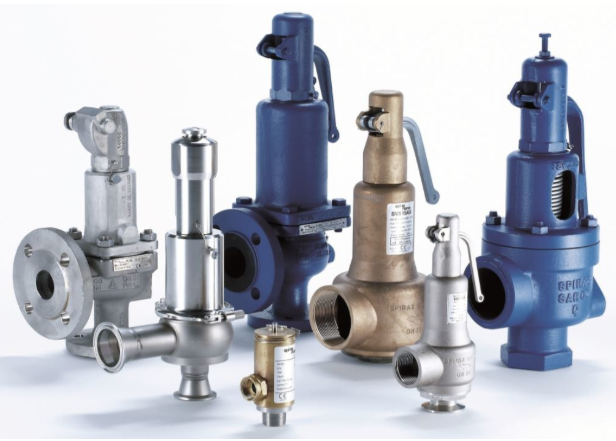
In manufacturing plants, maintaining a safe and efficient working environment is crucial. One of the key components that help achieve this is the safety valve. Safety valves are essential devices that protect equipment, workers, and the overall production process from potential hazards. They are designed to automatically release pressure from machinery or pipelines when it exceeds safe limits. This article explores how safety valves improve both efficiency and safety in manufacturing settings.
Understanding the Role of a Safety Valve
A safety valve is a protective device used in various industrial systems, such as boilers, compressors, and pipelines, to prevent excessive pressure buildup. When pressure levels reach a dangerous threshold, the valve automatically opens to release the excess, preventing damage or explosions. By controlling pressure, safety valves ensure that equipment operates within safe limits, which reduces the risk of accidents and costly repairs.
Enhancing Worker Safety
One of the most significant benefits of safety valves is the protection they provide to workers. High-pressure equipment can be extremely dangerous if not managed properly. In case of pressure surges, a safety valve acts as the first line of defense by relieving excess pressure quickly and efficiently. This minimizes the risk of equipment failure that could lead to injuries or even fatalities. For employees, knowing that safety valves are installed can also improve confidence and focus on their work, creating a safer overall environment.
Protecting Equipment and Reducing Downtime
Safety valves are not just about protecting people—they also play a vital role in safeguarding equipment. Overpressure can damage machinery, cause leaks, and even lead to catastrophic failures. When a safety valve releases excess pressure, it prevents such damage, prolonging the lifespan of expensive machinery. This also reduces unplanned downtime, which can disrupt production schedules and increase operational costs. In this way, safety valves contribute to smoother, more reliable manufacturing processes.
Improving Operational Efficiency
By maintaining consistent pressure levels, safety valves help plants operate more efficiently. Equipment that functions within safe pressure limits performs better and consumes less energy. For example, boilers with properly functioning safety valves maintain optimal steam pressure, which improves heat distribution and energy efficiency. This reduces waste and ensures that manufacturing processes run more smoothly. Efficient pressure management also supports quality control, as consistent operating conditions lead to better product consistency and fewer defects.
Compliance with Industry Standards
Manufacturing plants must adhere to strict safety regulations and industry standards. Installing and maintaining safety valves is often a legal requirement for high-pressure systems. These valves demonstrate a company’s commitment to safety and regulatory compliance. Regular inspection and maintenance of safety valves ensure they function correctly, helping the plant avoid fines, penalties, or shutdowns due to safety violations. Compliance also enhances the company’s reputation, showing that it prioritizes both employee welfare and operational integrity.
Integrating Safety Valves into Modern Manufacturing
Modern manufacturing systems often involve complex processes and automated machinery. Safety valves can be integrated with control systems to provide real-time monitoring and alerts. This integration allows plant managers to track pressure levels continuously and take preventive action before problems escalate. Smart safety valves can even provide data analytics that helps optimize operations, further improving efficiency while maintaining safety. By combining traditional protection with modern technology, plants can achieve a higher level of operational control.
Conclusion
Safety valves are indispensable components in manufacturing plants, offering both safety and efficiency benefits. They protect workers from high-pressure hazards, safeguard equipment from damage, and ensure smooth and consistent production processes. Beyond operational benefits, safety valves help plants comply with industry regulations and integrate with modern monitoring systems to optimize performance. By investing in and properly maintaining safety valves, manufacturing facilities can create a safer, more efficient, and reliable working environment, ultimately supporting long-term productivity and success.